UK Day Hike Checklist: What to Pack for a Safe Walk in Every Season
Ask anyone who has walked in the British hills for long enough and they will tell you the same thing: the forecast is a suggestion, not a contract. A morning in the Peak District can begin in soft sunshine, turn to horizontal drizzle along the ridge, and end with you stripping off a fleece in a sheltered valley. Packing for a day hike here is less about carrying everything than about carrying the right things for the season you are actually walking in, which is not always the season the calendar claims.
What follows is a checklist for day walks across England, Scotland, Wales and Northern Ireland, from a lowland path to a Lakeland fell.
The Core Kit You Carry All Year
Some items live in your rucksack in January and stay there in July. A 20 to 25 litre pack is plenty for a day out. Begin with these:
- Waterproof jacket and trousers. A showerproof smock will not save you from an hour of steady rain; look for taped seams and a hood that stays up in wind.
- Spare warm layer. A fleece or synthetic jacket, not cotton, which soaks and chills.
- Map and compass. A paper Ordnance Survey map of the area, plus a compass you have actually practised with. Know your grid reference before you need it.
- Phone, fully charged. Keep it in a waterproof case or dry bag and download offline maps first. Cold drains batteries fast, so a small power bank earns its weight.
- Headtorch with spare batteries. Even in June, a wrong turn can cost you an hour.
- Water and food. At least a litre of water and more food than you think you need.
- First aid kit. Blister plasters, tape, antiseptic wipes, painkillers and any personal medication.
- Emergency extras. Foil blanket or bivvy bag, whistle, and a cereal bar that never gets eaten.
- Sun cream, lip balm and tick tweezers. Yes, in the same bag.
A whistle and a foil blanket weigh almost nothing and matter most when something goes wrong. Six blasts on a whistle, repeated at intervals, is the recognised distress signal.
Spring: Showers, Mud and Fickle Warmth
Spring paths in the Yorkshire Dales, Snowdonia and the Scottish glens are frequently saturated. Waterproof boots with a decent tread, or well-drained trail shoes if you prefer, will make the difference between a pleasant walk and a grim one. Add gaiters if you hate wet trousers.
Layer thinly and carry more than you wear: a base layer, a light fleece and a shell cover most April days. Take a thin hat and gloves, because a cold wind on an exposed ridge in March is genuinely unpleasant. Pack spare socks in a dry bag. In a late season, snow can linger on high Scottish and Lakeland ground well into spring, so check conditions before committing to a summit.
Summer: Heat, Insects and Afternoon Thunder
Summer kit is lighter, not careless. A summer downpour still soaks you, so keep the waterproof. Carry 1.5 to 2 litres of water, more on a hot day, and start early to avoid the worst heat on exposed limestone or open moorland.
Long trousers are worth the warmth: they keep ticks, horseflies and nettles off your legs, and ticks are the reason to carry fine tweezers and check yourself thoroughly afterwards. Remove any tick promptly and carefully, and speak to a pharmacist or GP if you are concerned or notice a rash. Midges in the Highlands and islands are a fact of life from late spring to early autumn, so a head net is a small mercy.
If thunder starts, get off ridges and open ground, avoid being the highest thing around, and do not shelter under an isolated tree. Turning back is a valid plan.
Autumn: Colour, Wind and Fading Light
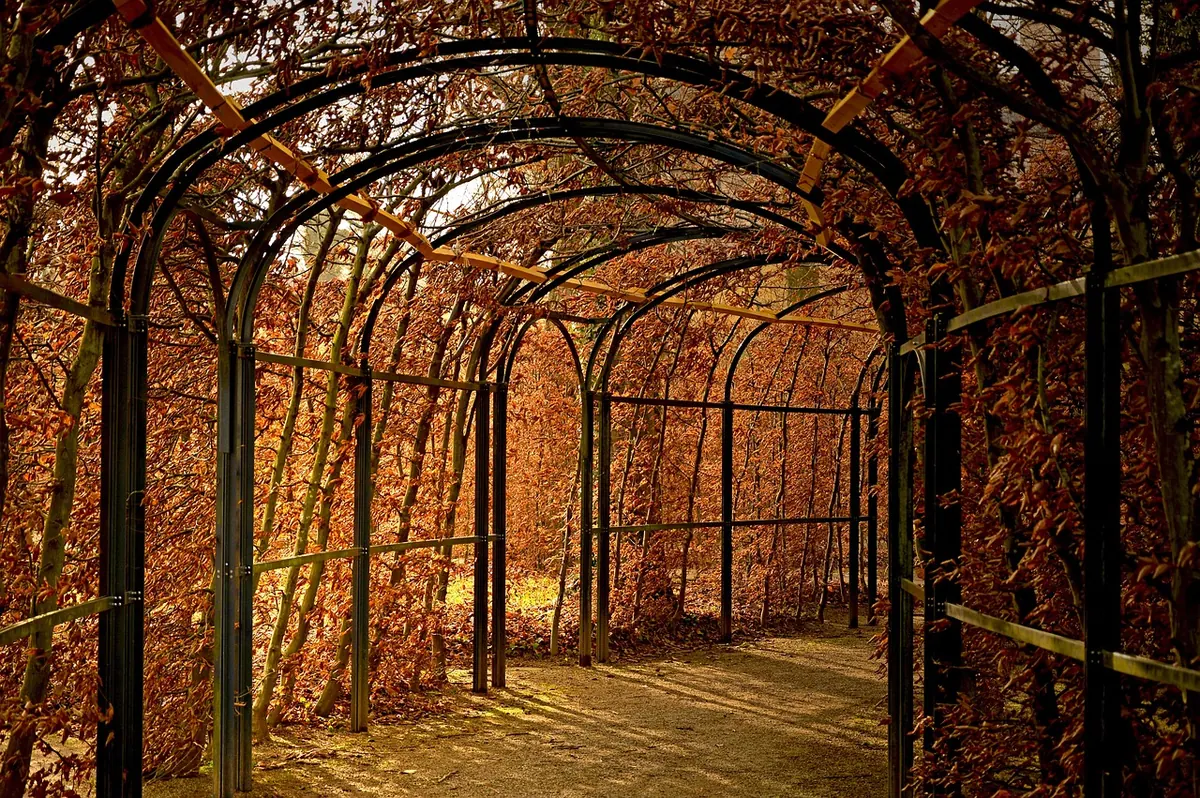
This is often the best walking of the year, and the season that catches people out. By late October, sunset across much of the UK falls before five o'clock, and it drops faster than most walkers expect. Carry a headtorch you have tested and know how to use.
Wet leaves make rock, roots and stiles genuinely slippery, so take your time on descents; trekking poles help enormously here. Wind and driving rain are common, so full waterproofs, a dry bag for your phone, and a spare insulating layer for the moment you stop for lunch. In deer stalking areas, check local access notices before heading out.
Winter: Cold, Ice and Short Days
Plan a shorter route and set off earlier than you would in summer. Tell someone your route and your expected return time. Layer up with a base layer, a mid layer, an insulated jacket and a shell, and carry a dry spare in the pack.
Add a hat, gloves, spare gloves and an insulated flask of something hot. If icy paths are likely, microspikes or similar traction aids are far better than hoping for the best. On high ground, snow turns navigation into the hard version, so map and compass skills matter more than any app. Eat and drink regularly, since cold and wet weather drains energy quickly; if someone becomes clumsy, shivery and muddled, get them out of the wind into dry layers and seek medical help.
Food, Water and the Kit You Hope Not to Use
Eat little and often rather than saving everything for one stop. Sandwiches, oatcakes, nuts, flapjack and dried fruit all travel well, and a few boiled sweets lift a flagging afternoon. Carry a hot flask in winter.
Water is the item most people underestimate. Drink little and often, and if you plan to refill from streams, treat the water rather than trusting it, as run-off from farmland and wildlife is a real consideration. Keep your phone warm, keep your emergency rations untouched, and repack your first aid kit at the end of each trip so it is complete when you next reach for it.
Before You Set Off
Check a mountain weather forecast and any local access restrictions, then write down where you are going, your route and when you expect to be back, and leave it with someone at home. Charge your phone, fill your water bottles, and put the map in a pocket you can reach without taking off your pack.
If you do need help, call 999, ask for the police, and then ask for mountain rescue. Give your location, a grid reference if you have one, and a description of what you can see around you. Stay put where it is safe and keep warm.
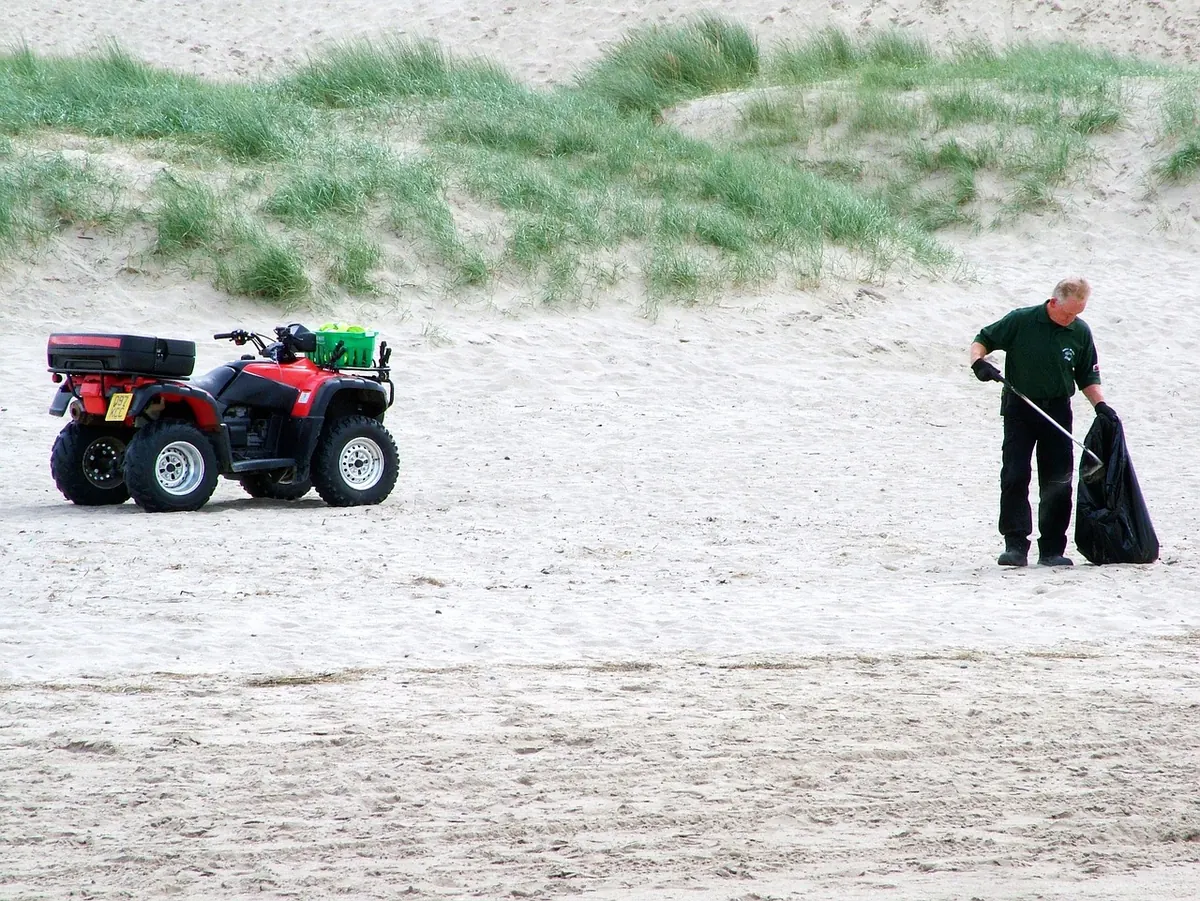
Finally, take everything home with you, including fruit peel and used plasters. A well-packed day bag is one you barely notice and one you are glad of when the weather changes, which, in Britain, it will.
Photo: Catkin / Pixabay
Coppicing Explained: Why Traditional Woodland Management Helps British Wildlife
Coppicing — cutting trees near the ground so they regrow — keeps British woods light, open and rich in...
Hedgehog or Badger? How to Identify Night-Time Garden Visitors in the UK
Learn to tell hedgehogs, badgers and other night-time garden visitors apart by their tracks, droppings,...
About Us