Hedgehog or Badger? How to Identify Night-Time Garden Visitors in the UK
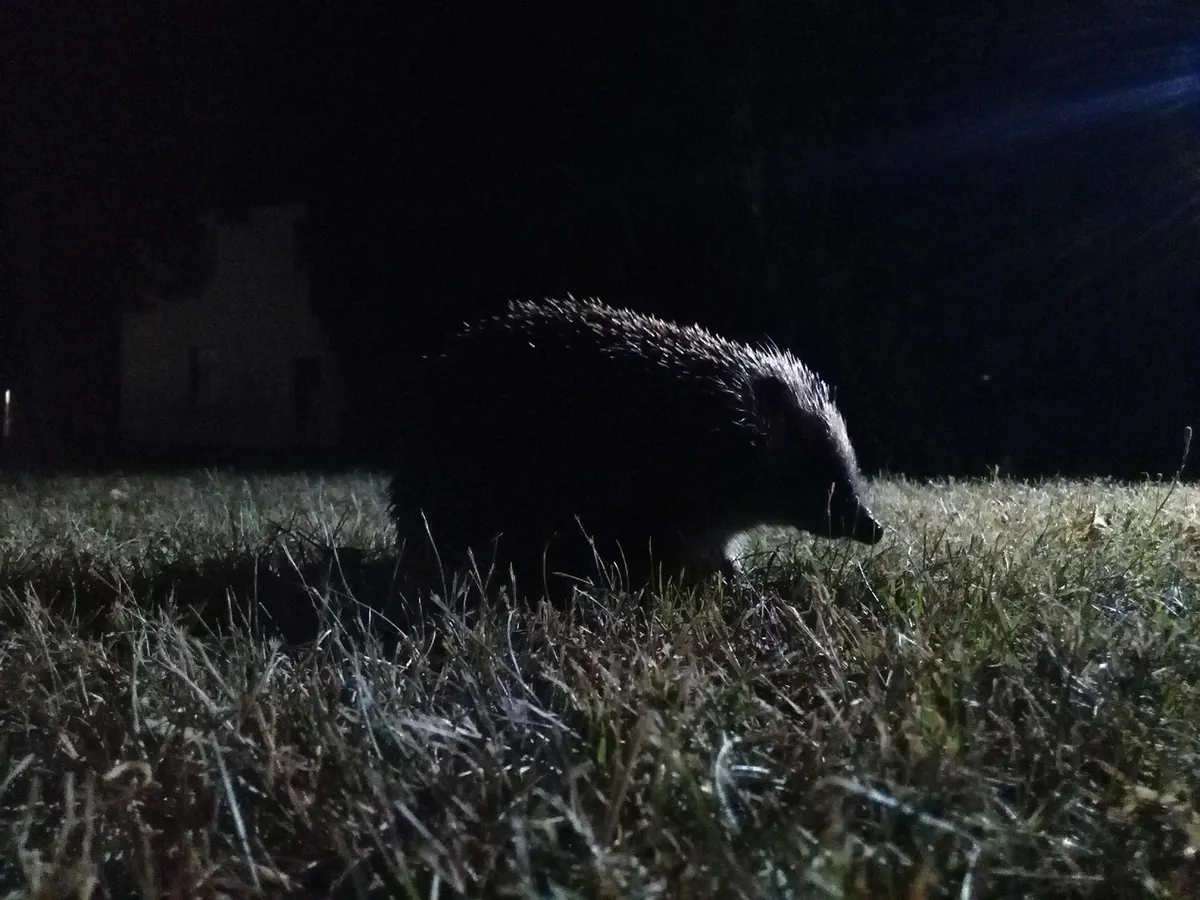
Something has been busy in the garden overnight. A bowl has been licked clean, a fresh hole has appeared in the lawn, and there is a dark dropping on the path. You rarely see the culprit. The good news is that nocturnal mammals leave a signature, and once you know what to look for, you can tell a hedgehog from a badger without staying up all night. Keep disturbance to a minimum: watch from a distance, use a torch sparingly, and never handle a wild mammal unless it is clearly injured and you have sought advice.
Tracks: size, shape and the story in the mud
Soft ground after rain, a dusting of snow or fine soil on a path will hold prints. Tracks are clearest in the first few hours. Get low with a torch held sideways, so shadows reveal the details.
Hedgehog prints
Small, roughly 2–3 cm long, with five toes and a broad, rounded pad. You may see only four toes if the inner one has not registered. The print often looks star-like or hand-like, and the claws are short but visible. Hedgehogs waddle, so the prints sit close together in short steps rather than a long stride.
Badger prints
Much larger, often around 5–7 cm long, with five toes in a wide, almost kidney-shaped arc. The claws are long and obvious, especially on the front feet, and they often show as deep marks ahead of the toes. Badgers use regular routes, so you may find a worn trail or a line of prints crossing a lawn, path or fence line.
- Check near food, water, compost heaps and fence gaps.
- Look for more than one print; a single smudge proves little.
- Photograph beside a coin or ruler for scale, then compare.
Droppings: shape, contents and where they are left
Droppings are one of the most reliable clues, though the subject is not glamorous. Wear gloves, avoid direct contact, and wash your hands afterwards.
Hedgehog droppings
Usually dark, cylindrical and blunt-ended, around 2–4 cm long. They often have a glossy, almost wet appearance when fresh and may glitter with beetle cases, wings or other insect remains. Hedgehogs rarely use a latrine. Instead, you tend to find single droppings scattered on lawns, paths or near a feeding bowl.
Badger droppings
Larger, often 4–8 cm long, and usually cylindrical with a tapered or pointed end. Badgers often deposit them in shallow scrapes or communal latrines, sometimes near a sett, a boundary or a regular path. Colour varies with diet: black and slimy after a night of earthworms, purple or red after berries. If the smell is strong and the droppings are twisted with hair or bone fragments, think fox rather than badger.
Feeding signs: what has been dug, tipped or nibbled
Morning damage tells you a lot. Look at the shape of holes, the depth of digging and what has been disturbed around them.
Hedgehog signs
Hedgehogs are noisy eaters: a loud crunching or slurping from a border is a good clue. They root through leaf litter and short grass for beetles, caterpillars, slugs and worms. You may find scattered insect remains, disturbed mulch or a licked-clean bowl of meaty cat food. Their digging is usually light and scattered, not a major excavation.
Badger signs
Badgers are powerful diggers. Look for shallow, cone-shaped holes in lawns or borders where they have been after grubs and worms. They may roll back turf, uproot bulbs, tip compost bins, move small rocks or push under fences. A well-used badger route can look like a small animal motorway, with latrines along the way.
Sounds, gait and behaviour after dark
Listening is useful, but do not rely on a single noise. A hedgehog rustling in dry leaves can sound surprisingly large; a badger crashing through a hedge sounds heavier still.
- Hedgehog: snuffling, huffing, crunching and, in conflict or courtship, a startling scream. It may freeze or curl up when disturbed.
- Badger: a low, purposeful shuffle and occasional growls, churrs or snuffles. It often follows the same route night after night and seems confident rather than secretive.
- Fox: eerie screams, barks or a strong musky smell; droppings are often left on raised objects such as stones or logs.
- Cat: yowling, neatly buried droppings and tracks without clear claw marks.
A trail camera set low to the ground, near a gap in a fence or beside a feeding area, is the least intrusive way to confirm an identity. Avoid using a bright torch directly on wildlife; a red filter or dim light is kinder.
Other night-time visitors worth ruling out
Not every late-night rustle is a hedgehog or badger. Rats and mice leave small droppings and gnawed food; their tracks are tiny. Bats are protected and should never be handled; their droppings collect below roosts and crumble to a fine powder containing insect fragments. If you find a bat indoors or grounded, contact a wildlife rescue or conservation body for advice rather than moving it yourself.
Badgers and their setts are legally protected in the UK. If you suspect a sett is being disturbed, or you need to work near one, seek advice from a local wildlife trust or the relevant statutory conservation agency before doing anything.
Practical steps for a confident identification
You do not need to become a tracker overnight. Combine several clues and record what you find.
- Survey at dawn. Walk the garden before the dew dries or before pets and people erase the evidence.
- Note the location. Droppings on a lawn point one way; a latrine beside a fence line points another.
- Check the edges. Fence gaps, compost heaps, sheds and water features are wildlife crossroads.
- Use scale. A ruler or coin beside a print or dropping makes comparison much easier.
- Repeat over a week. One clue can mislead; a pattern of tracks, droppings and damage is far more reliable.
If hedgehogs are visiting, keep the garden friendly: leave a shallow dish of fresh water, offer meaty cat or dog food or hedgehog biscuits, avoid milk and bread, and make a CD-sized gap in fences so they can move between gardens. For badgers, secure bins, protect vulnerable crops and never try to block a sett. Enjoy them from a distance, keep dogs away, and let the morning clues tell the story.
Photo: katharina_3112 / Pixabay
Coppicing Explained: Why Traditional Woodland Management Helps British Wildlife
Coppicing — cutting trees near the ground so they regrow — keeps British woods light, open and rich in...
How to Forage Blackberries in the UK: Season, Habitat and Safety Rules
A practical guide to picking wild blackberries in the UK: how to read the season, find the best hedgerow...
About Us