Nature Reserves vs Country Parks in the UK: What's the Difference?
Two car parks, ten miles apart, both surrounded by green. At the first, a noticeboard shows four waymarked trails, a tea hut and a play area. At the second, a single gate carries a small sign asking you to stay on the path, and there is nowhere to buy a cup of tea at all. Both are worth a visit. Only one of them is likely to be a nature reserve.
The confusion is understandable, because Britain's green spaces come with a tangle of labels: national nature reserve, local nature reserve, country park, Site of Special Scientific Interest. They overlap, and plenty of places carry more than one title. But if you know what each designation is for, you can plan a better day out — and behave in a way that helps rather than hinders the wildlife you have come to see.
The designations, in plain terms
Nature reserves are places where looking after habitats comes first. National Nature Reserves (NNRs) are declared by the country's conservation bodies — Natural England, NatureScot, Natural Resources Wales and the Northern Ireland Environment Agency — and are usually the finest examples of a particular habitat: ancient woodland, lowland heath, reedbed, limestone pavement, bog. Local Nature Reserves (LNRs) are declared by councils under the National Parks and Access to the Countryside Act 1949 and tend to be smaller, often tucked into towns and on the edges of cities.
On top of those, many reserves are owned or managed by charities: the Wildlife Trusts, the RSPB, the National Trust and the Woodland Trust among them. Their reserves range from a few hedgerow-lined meadows to vast coastal marshes.
Country parks are a different creature altogether. Created mainly under the Countryside Act 1968, they were designed to bring the countryside within easy reach of towns and cities, and they are almost always run by local authorities. Their purpose is recreation as much as landscape: somewhere a family can walk, cycle, picnic and let children run without worrying about disturbing something rare.
Conservation aim: protection versus provision
Walk through a nature reserve in summer and you may notice things that look untidy — scrub cut back, grass left long, a pool deliberately kept shallow, grazing animals fenced into a compartment. That is management, and it is targeted. Reedbeds are cut and grazed on rotation to keep them suitable for bitterns and marsh harriers. Heathland is grazed and burned in patches to stop it turning into birch woodland. Fens are kept open so that plants and insects that need light and wet ground survive.
A country park is managed for people, and the landscape is shaped accordingly. Paths are wide and usually surfaced. Grass is mown. Trees are planted for shade and autumn colour. There will often be a lake or a plantation wood, both of which are lovely, but neither is necessarily managed to hold a particular rarity.
What you can actually do there
This is where the differences affect your day most directly. The rules on a reserve are narrower, and they exist for a reason.
- Dogs. At a country park, dogs are generally welcome across the site. On many reserves they must be on a short lead, and some keep dogs out entirely, or exclude them from a core area during the breeding season.
- Cycles and horses. Country parks often have bike trails and bridleways, sometimes hire. Reserves frequently ban cycling off the permitted route, and may not allow horses at all.
- Picnics and barbecues. A picnic bench and an ice cream van are normal at a country park. Disposable barbecues are the sort of thing that scorches heathland and are usually prohibited on reserves.
- Drones. Almost never welcome on a reserve — the noise alone can put nesting birds off — and often restricted at country parks too.
- Seasonal closures. Expect paths, hides or whole areas of a reserve to be shut for a few weeks while birds nest or seals pup. Country parks rarely close more than a car park.
Wildlife protection in practice
On a reserve, keeping to the path is not a polite suggestion. Ground-nesting birds such as skylark, lapwing and curlew lose clutches to a single loose dog between March and July. Adders bask on open heath paths in spring because they need the warmth. Red and fallow deer hold their rut in autumn and are far less tolerant of people than they look. In winter, wildfowl on a lake can burn through their energy reserves if they are repeatedly flushed by walkers or by a dog swimming.
None of this means you will see nothing at a country park. Herons, kingfishers, bats, orchids and dragonflies turn up in all sorts of places, and plenty of country parks do real conservation work alongside the visitors. It simply means the reserve is the better bet if wildlife is the point of your trip — and the place where your behaviour matters most.
Facilities, and who pays for them
Country parks score heavily here. Expect a decent car park, toilets, a café or kiosk, waymarked trails, pushchair-friendly surfaces, benches, bins and often a visitor centre with displays for children. Parking charges vary; many are free to enter but charge for the car park, and opening hours usually follow daylight.
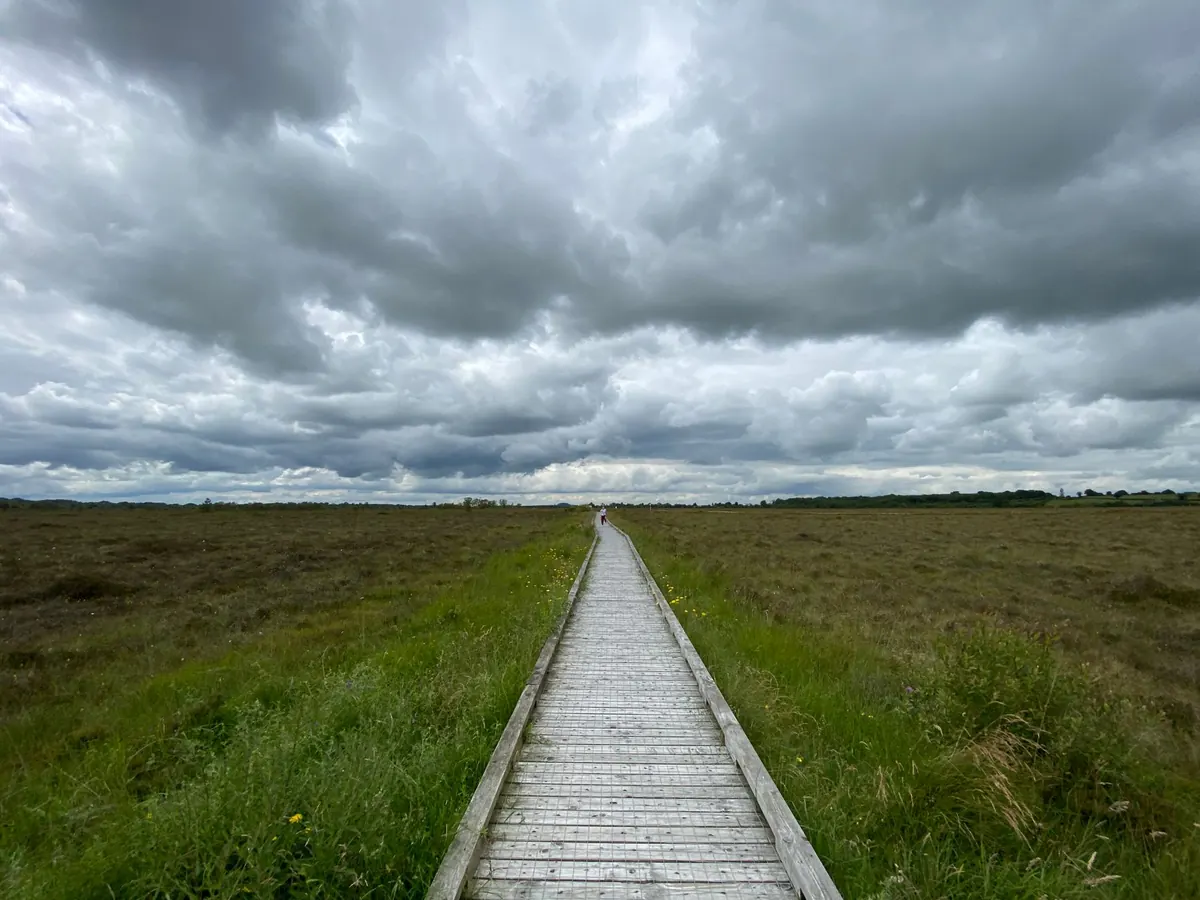
Nature reserves tend to be quieter in every sense. You might find a small car park, a hide or screen, a boardwalk over boggy ground and an information panel. You are just as likely to find none of these, plus a rough track and a stile. Most reserves are free to visit, but they run on donations, legacies and membership subscriptions, and the honesty box by the gate is genuinely what keeps the place going.
Which should you choose?
Match the place to the day you have in mind.
- Family day, bikes, buggies, a café: go to a country park.
- Quiet walk, binoculars, photography: pick a nature reserve.
- Spring or early summer, with a dog: check the site's own website first. Lead rules tighten for nesting season, and a country park may be the kinder choice.
- Anything within a protected site: follow the Countryside Code — keep to paths, take litter home, shut gates, leave nothing but footprints.
Before you set off, look up who manages the site and read their visiting page. That tells you about parking charges, dog rules, temporary closures, whether there are toilets and whether the paths are suitable for the group you are taking. If you arrive and the gate is shut for breeding season, accept it cheerfully and find the next place along the road.
Both kinds of green space earn their keep. Country parks give millions of people a first, easy taste of the outdoors, and some of those people go on to care about the wilder places. Nature reserves hold on to the habitats and species that would otherwise disappear. Knowing which one you are standing in is the simplest way to enjoy it properly.
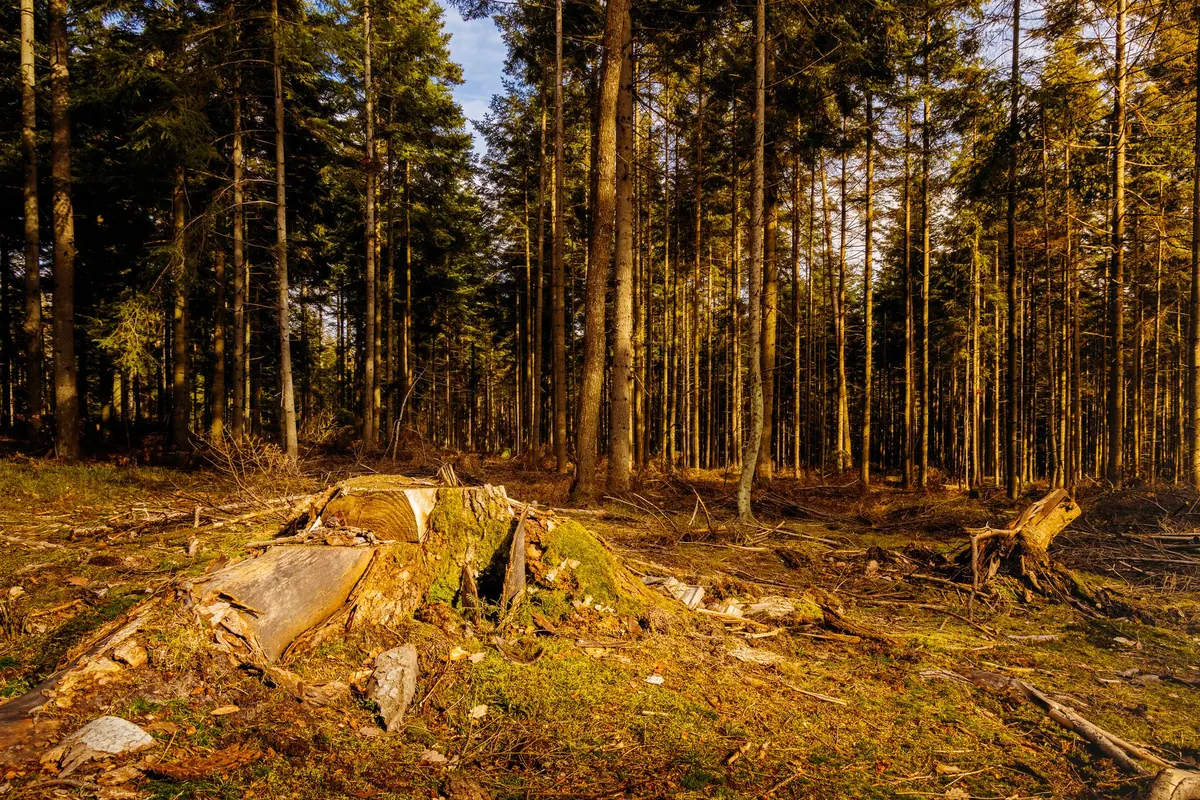
Photo: Ann Perkas / Pexels
Coppicing Explained: Why Traditional Woodland Management Helps British Wildlife
Coppicing — cutting trees near the ground so they regrow — keeps British woods light, open and rich in...
Hedgehog or Badger? How to Identify Night-Time Garden Visitors in the UK
Learn to tell hedgehogs, badgers and other night-time garden visitors apart by their tracks, droppings,...
About Us